A swollen dog paw can cause noticeable discomfort and make walking difficult. Swelling often signals irritation, inflammation, or an underlying condition affecting your dog’s paw pads, toes, or joints. While the cause can range from minor irritation to something more serious, any swelling deserves attention from a veterinarian to prevent complications. If you notice your dog limping, licking their paw excessively, or showing signs of pain, contact Veazie Veterinary Clinic in Bangor, ME, at (207) 941-8840 to schedule an appointment. This blog explores what causes a swollen dog paw, what symptoms to watch for, how our veterinarians diagnose the problem, and what professional care can do to help your pet feel better.
Common Causes of a Swollen Dog Paw
Swelling in a dog’s paw often results from irritation, injury, or infection. Identifying the cause early helps guide your next step toward proper veterinary treatment.
Injuries and Trauma
Cuts, scrapes, or punctures from sharp objects like glass, gravel, or thorns are common causes of a swollen dog paw. A fracture, sprain, or crushed toe can also lead to visible swelling. Dogs that are active outdoors or run on uneven surfaces are more likely to experience trauma that causes inflammation. When a dog injures their paw, swelling is often accompanied by limping, whining, or holding the paw up to avoid pressure. Even a small wound can become infected if left untreated, which is why veterinary care is important for any unexplained swelling.
Insect Bites and Stings
Bees, ants, and spiders can all cause localized swelling on a dog’s paw. The reaction usually develops quickly and can make the paw red and puffy. In sensitive dogs, a sting may cause an allergic response, which can lead to more extensive swelling that spreads up the leg. If the swelling is severe or your dog is having trouble breathing, immediate veterinary attention is needed.
Foreign Objects Between Toes
Sometimes, the cause of a swollen dog paw is something small but irritating, like a splinter, grass seed, or pebble lodged between the toes. These foreign objects can cause inflammation, redness, and infection if not removed promptly. Dogs will often lick or chew at the affected area, making the irritation worse.
Infections
Bacterial or fungal infections can develop from wounds, allergies, or moisture trapped between the paw pads. A bacterial infection may cause redness, heat, and oozing, while fungal infections (like yeast) can lead to itching, odor, and flaky skin. Chronic paw licking often points to an infection that needs medical attention.
Allergies
Environmental and food allergies can cause inflammation in a dog’s skin and paws. Dogs with allergies often have red, itchy, and swollen paws because they lick and chew them frequently. Pollen, mold, dust mites, and certain foods are common triggers. Over time, chronic inflammation can make the paws thickened and painful.
Joint or Autoimmune Conditions
Arthritis or autoimmune diseases can also lead to a swollen dog paw, especially when the swelling appears around the joints. These conditions require veterinary diagnosis and ongoing management to relieve pain and reduce inflammation.
What to Watch For
Not all swelling looks the same. Some causes are minor, but others require urgent veterinary care.
When to Call Your Bangor Veterinarian
Contact your veterinarian right away if you notice:
- Persistent swelling lasting more than 24 hours
- Redness, heat, or discharge from the paw
- Bleeding or visible wounds
- Sudden swelling after a bite or sting
- Limping or refusal to put weight on the paw
- Signs of pain such as whimpering, shaking, or panting
Even if the swelling seems mild, it’s best to have your veterinarian examine your dog’s paw to rule out infection, fractures, or embedded foreign material.
Uncovering the Source of Your Dog’s Paw Discomfort
Veterinarians use a combination of examination, imaging, and lab testing to determine what’s causing your dog’s swollen paw.
Physical Examination
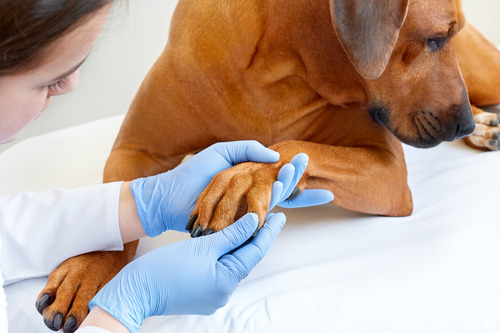
Your veterinarian will inspect your dog’s paw closely for wounds, foreign objects, insect stings, or other visible irritations. They will also check the temperature, texture, and level of pain or tenderness in the area.
Diagnostic Tests
If the cause isn’t immediately clear, diagnostic tests may include:
- X-rays to rule out fractures, sprains, or joint issues.
- Cytology or culture tests to identify bacterial or fungal infections.
- Allergy testing if swelling recurs or accompanies itching.
- Blood work to check for systemic issues like immune disorders or inflammation markers.
These diagnostics help your veterinarian pinpoint the source of swelling so they can develop an appropriate treatment plan tailored to your dog’s specific condition.
Treatment Approach for a Swollen Dog Paw
Once the underlying cause of your dog’s swollen paw is identified, your veterinarian will recommend a treatment plan designed to relieve discomfort and promote healing.
Treating Injuries and Infections
For cuts or abrasions, your veterinarian will clean the wound thoroughly and may prescribe antibiotics to prevent infection. If a foreign object is present, it will be removed safely. Swelling caused by infection may require topical or oral medication to eliminate bacteria or fungi.
Managing Inflammation
Anti-inflammatory medications can help reduce pain and swelling. In some cases, bandages or protective coverings are used to keep the paw clean and prevent further irritation.
Addressing Allergies and Chronic Conditions
For dogs with allergies, treatment focuses on minimizing exposure to triggers and supporting long-term skin health. Your veterinarian may suggest dietary adjustments or prescribe allergy management therapies. Dogs with autoimmune or joint-related swelling may need ongoing monitoring and specialized care to control inflammation and maintain comfort.
How to Prevent Future Paw Swelling
While some causes of a swollen dog paw are unavoidable, many can be minimized with proper care and awareness.
Regular Paw Inspections
Make it a habit to check your dog’s paws after walks, hikes, or play sessions. Look for small cuts, stuck debris, or redness. Wiping your dog’s paws after outdoor activities helps remove potential irritants like salt, pollen, or pesticides.
Keep Nails and Fur Trimmed
Overgrown nails or long fur between paw pads can trap debris and contribute to injuries. Regular grooming and nail trims can prevent these issues and keep your dog’s paws healthy.
Protect Paws from Extreme Conditions
Hot pavement, icy sidewalks, or rough terrain can damage paw pads and cause swelling. In winter, use pet-safe booties or paw balm to protect against cold and ice melt chemicals. In summer, walk your dog during cooler parts of the day to avoid burns from hot surfaces.
Routine Veterinary Checkups
Annual or semiannual veterinary visits give your vet a chance to spot early signs of irritation, infection, or joint issues before they cause noticeable swelling. Routine care helps maintain paw health and overall comfort.
Helping Your Dog Stay Comfortable and Active
A swollen dog paw may seem like a small issue, but it can have a big impact on your pet’s comfort and mobility. Because the causes vary widely—from minor irritations to infections or allergies—it’s important to let your veterinarian evaluate the problem rather than trying to manage it at home. If your dog is limping, licking their paw excessively, or showing signs of pain, contact Veazie Veterinary Clinic in Bangor, ME at (207) 941-8840. Our team can determine what’s behind your dog’s swollen paw and provide the care needed to get them back on their feet again.