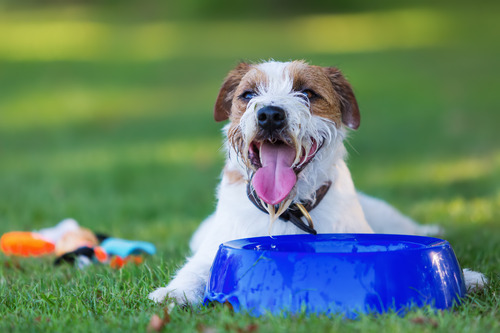
If you’ve noticed your dog drinking a lot of water lately, it’s natural to wonder if that’s normal or something to pay attention to. Dogs may drink more water for many reasons, some are completely harmless, while others can signal an underlying health condition. When a dog drinks more than usual, it’s called polydipsia, and it can stem from anything from a hot day or increased activity to medical issues like diabetes or kidney disease. If your dog’s thirst suddenly changes or seems excessive, it’s best to schedule a veterinary exam to identify the cause.
At Veazie Veterinary Clinic in Bangor, ME, our team helps pet owners understand their dog’s behaviors and health changes. If your dog is drinking a lot of water, we can help determine whether it’s within a normal range or requires medical attention. Call (207) 941-8840 to book an appointment today.
Why Dogs Drink More Water
Water is essential for every dog’s health. It helps regulate body temperature, supports digestion, and allows organs to function properly. Most dogs drink about one ounce of water per pound of body weight daily. However, this amount can vary depending on weather, diet, and activity level. When your dog drinks a lot of water, it could be due to environmental or physical factors, but sometimes, it can point to something more serious. Understanding the reasons behind your dog’s thirst can help you know when to contact your veterinarian.
Common Non-Medical Reasons Your Dog Drinks a Lot of Water
Not every instance of increased water intake signals a health problem. Sometimes, it’s just your dog’s way of adapting to changes in their routine or environment.
Hot Weather or Exercise
Dogs cool themselves by panting, which leads to moisture loss. During hot weather or after exercise, they naturally drink more to stay hydrated. This is completely normal, especially for active breeds or dogs that spend time outdoors.
Dry Food Diet
Kibble has very little moisture compared to canned food. Dogs that eat mostly dry food often drink more to make up for it. You can track water intake by measuring how much water you put out each day and noting how much is left.
Anxiety or Stress
Stress can cause dogs to pant, pace, or drink more water than usual. If your dog drinks a lot of water during stressful situations such as thunderstorms or loud noises, it might be a behavioral response rather than a physical problem.
Medications
Certain medications, especially corticosteroids or diuretics, can make dogs thirstier. If your dog recently started a new medication, ask your veterinarian whether increased thirst is an expected side effect.
Medical Reasons for Excessive Thirst in Dogs
While some causes are harmless, others require professional care. Persistent excessive drinking may indicate an underlying medical condition that needs to be addressed.
Diabetes Mellitus
One of the most common reasons for a dog drinking a lot of water is diabetes mellitus. This condition occurs when the body can’t properly regulate blood sugar levels. Dogs with diabetes often drink and urinate more frequently and may also lose weight despite eating normally.
Kidney Disease
Healthy kidneys filter waste and maintain fluid balance. When they’re not working properly, the body tries to flush out toxins by increasing urine production, leading your dog to drink more water.
Cushing’s Disease
Cushing’s disease, or hyperadrenocorticism, causes the body to produce excess cortisol. This hormone imbalance can make dogs hungrier, thirstier, and more prone to panting and weight gain.
Liver Disease
The liver helps process toxins and regulate many body functions. When it’s compromised, dogs may experience increased thirst, appetite changes, or lethargy.
Urinary Tract Infections (UTIs)
Dogs with UTIs or bladder inflammation may drink more water to relieve discomfort or flush bacteria from their system. You might also notice accidents in the house or straining to urinate.
Other Endocrine or Metabolic Disorders
Less common conditions, such as Addison’s disease or certain metabolic disorders, can also cause increased thirst. A veterinary exam with lab testing can help pinpoint the exact cause.
Diagnosing the Reason Behind Your Dog’s Excessive Thirst
When you bring your dog to Veazie Veterinary Clinic because they’re drinking a lot of water, your veterinarian will start with a thorough physical exam and medical history.
Diagnostic Tests
Common diagnostic tools include:
- Bloodwork (CBC and chemistry panel): Checks kidney and liver function and screens for diabetes.
- Urinalysis: Evaluates hydration, kidney function, and signs of infection or sugar in the urine.
- Imaging (X-rays or ultrasound): Identifies abnormalities in the kidneys, liver, or adrenal glands.
These tests help your veterinarian determine whether your dog’s thirst is behavioral, environmental, or medical in nature.
Monitoring Your Dog’s Water Intake at Home
If you’re unsure whether your dog is drinking a lot of water, start by measuring their daily intake. Use a marked bowl or pitcher to see how much water they consume over 24 hours. Keep notes for a few days and share this information with your veterinarian.
Tips for Tracking Hydration
- Keep fresh water available at all times, but pay attention to sudden increases in drinking.
- Watch for other changes such as increased urination, lethargy, or loss of appetite.
- Note whether your dog’s thirst changes with the weather or activity level.
Tracking patterns gives your veterinarian valuable insight into what might be causing the increased thirst.
When to Go to the Vet for Excessive Thirst in Dogs
If your dog’s drinking habits suddenly change or if they seem to drink constantly, schedule a visit with your veterinarian. Excessive thirst combined with other symptoms such as vomiting, weight loss, or changes in urination should always be evaluated promptly.
Red Flags to Watch For
- Drinking far more than usual for several days in a row
- Frequent urination or accidents in the house
- Lethargy, weakness, or loss of appetite
- Noticeable weight loss or gain
- Vomiting or diarrhea
These symptoms may indicate that your dog drinking a lot of water is more than just thirst, it could signal an underlying health issue that needs treatment.
What to Expect During Your Dog’s Appointment
At Veazie Veterinary Clinic, our veterinarians take a comprehensive approach to your pet’s health. We’ll discuss your dog’s habits, run appropriate tests, and explain what each result means. Our goal is to identify the cause of your dog’s increased water intake and develop a personalized care plan that supports their health. During your visit, feel free to share any observations about your dog’s behavior, diet, or recent changes at home. Even small details like a new food brand or medication can help us narrow down the cause.
Helping Your Dog Stay Healthy and Hydrated
Water is vital to your dog’s health, but a sudden increase in thirst can be a signal worth investigating. While some dogs simply drink more due to activity, weather, or diet, others may need medical attention to identify what’s driving the behavior. If you’ve noticed your dog drinking a lot of water, it’s time to schedule a checkup. Our veterinary team at Veazie Veterinary Clinic in Bangor, ME, will provide the care, diagnostics, and support your pet needs. Call (207) 941-8840 to make an appointment today and help your dog stay happy, healthy, and hydrated.