If your dog suddenly starts coughing with a hacking, honking sound, they might have kennel cough. Kennel cough in dogs is a contagious respiratory infection that affects the upper airways, causing irritation and inflammation of the trachea and bronchi. While it often sounds alarming, most cases are mild and resolve with proper veterinary care. Because kennel cough spreads easily, especially in places like boarding facilities, grooming salons, and dog parks, it’s important to understand how it develops, how it spreads, and how you can help protect your pet from it.
What Is Kennel Cough in Dogs?
Kennel cough in dogs, also known as canine infectious tracheobronchitis, is a respiratory infection caused by a combination of bacteria and viruses. The most common culprit is Bordetella bronchiseptica, but other viruses such as parainfluenza, canine adenovirus type 2, and canine coronavirus can also play a role. Together, these pathogens irritate the lining of your dog’s respiratory tract, leading to the characteristic cough that gives the condition its name.
Dogs with kennel cough typically develop a persistent, dry cough that can sound like honking or gagging. Some dogs may also show mild symptoms such as sneezing, nasal discharge, lethargy, or a reduced appetite. In most cases, kennel cough is mild and self-limiting, but for puppies, senior dogs, or pets with compromised immune systems, it can become more serious and may progress to pneumonia if not properly managed.
How Dogs Get Kennel Cough
Kennel cough in dogs spreads primarily through airborne droplets. When an infected dog coughs, sneezes, or barks, microscopic particles containing the bacteria or virus can linger in the air or settle on surfaces. Other dogs can then inhale these particles or come into contact with contaminated objects such as toys, leashes, food bowls, or bedding.
Common Places of Transmission
Kennel cough often spreads in areas where dogs gather closely together, such as:
- Boarding kennels
- Dog daycare facilities
- Veterinary waiting rooms
- Grooming salons
- Training classes
- Dog parks
Even with proper ventilation and cleaning, the infectious agents behind kennel cough can persist in shared environments. This is why preventive care, including vaccination and good hygiene, plays a major role in reducing risk.
What Are Symptoms of Kennel Cough?
The hallmark symptom of kennel cough in dogs is a persistent, dry, and hacking cough. It may sound like your dog is trying to clear their throat or has something stuck in it. While the cough itself can be loud and repetitive, dogs with kennel cough often remain bright and alert, which helps differentiate it from more serious respiratory illnesses.
Typical Signs of Kennel Cough
- A harsh, honking cough that worsens with excitement or activity
- Retching or gagging after coughing
- Mild nasal discharge
- Sneezing
- Occasional lethargy or tiredness
- Decreased appetite in some cases
Symptoms can develop within 2–10 days after exposure and may last one to three weeks, depending on your dog’s immune response and overall health. Always contact your veterinarian if your dog’s cough worsens or if you notice signs such as difficulty breathing, persistent fever, or significant lethargy.
How Veterinarians Diagnose Kennel Cough
When your dog is showing signs of kennel cough, your veterinarian will perform a physical exam and review their recent history of exposure. If your dog has been around other dogs recently, that information helps guide the diagnosis.
What to Expect at the Vet
During the examination, your veterinarian may:
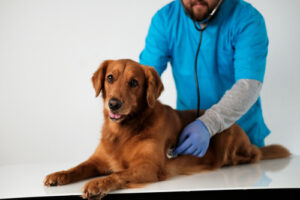
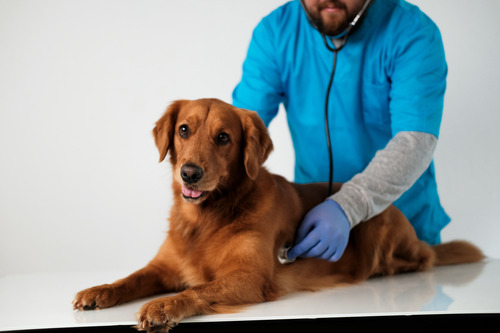
- Listen to your dog’s lungs and airway with a stethoscope.
- Check for nasal discharge, throat irritation, or enlarged lymph nodes.
- Gently press on your dog’s trachea to see if it triggers a cough.
In mild cases, a physical exam and history are often enough to make a diagnosis. However, in more complex situations, diagnostic tests such as X-rays, bloodwork, or PCR testing may be performed to rule out other respiratory conditions like pneumonia or canine influenza.
Treatment and Management of Kennel Cough
Most cases of kennel cough in dogs are mild and resolve within a few weeks. Veterinarians may recommend rest and supportive care to allow your dog’s immune system to recover. In certain cases, antibiotics or anti-inflammatory medications may be prescribed to manage secondary infections or ease discomfort. It’s important to keep your dog comfortable and limit their exposure to other dogs during recovery. This helps prevent further irritation of the airways and reduces the risk of spreading infection.
What Owners Can Do at Home
- Provide a warm, stress-free environment.
- Ensure your dog stays hydrated.
- Use a harness instead of a collar to reduce pressure on the trachea.
- Avoid exposure to cigarette smoke or strong odors.
Kennel cough can be frustrating for both dogs and their owners, but with proper veterinary guidance and care, most pets recover fully and return to their normal routines.
Can Kennel Cough Be Prevented?
Preventing kennel cough in dogs involves a combination of vaccination, smart hygiene practices, and awareness of high-risk environments.
Vaccination
The Bordetella bronchiseptica vaccine is the most common preventive measure. It’s available in injectable, oral, and intranasal forms, depending on your veterinarian’s recommendation. Many boarding facilities and grooming salons require proof of this vaccine before admitting dogs, as it significantly lowers the risk of infection.
Good Hygiene Practices
- Regularly disinfect food and water bowls, toys, and bedding.
- Avoid sharing items between dogs, especially in group settings.
- Maintain good air circulation in indoor areas where dogs gather.
Be Mindful of Exposure
If you plan to board your dog or visit public spaces like dog parks, talk to your veterinarian about the best timing for booster vaccines. Keep your dog away from coughing dogs and monitor for early signs of illness after social activities.
Why Kennel Cough in Dogs Shouldn’t Be Ignored
Even though kennel cough is often mild, it can spread rapidly and cause discomfort for your pet. For young puppies, older dogs, or those with weakened immune systems, the infection can lead to complications such as bronchopneumonia or more severe respiratory distress. Early veterinary evaluation ensures that your dog receives appropriate care and that potential secondary issues are caught quickly. Kennel cough also serves as a reminder of the importance of preventive care. Regular wellness visits, up-to-date vaccinations, and clear communication with your veterinary team can help protect your pet from a wide range of contagious conditions, not just kennel cough.
Supporting Your Dog’s Respiratory Health
Healthy lungs and airways are vital to your dog’s comfort and quality of life. Providing regular exercise, a balanced diet, and a clean living environment all contribute to stronger immune defenses. When combined with vaccination and routine veterinary checkups, these steps greatly reduce your dog’s risk of developing kennel cough and other respiratory infections. If you suspect kennel cough in your dog or need to schedule a preventive visit, contact Veazie Veterinary Clinic in Bangor, ME, at (207) 941-8840. Our team can assess your dog’s health, discuss vaccination options, and help you plan the best strategy to keep your pet protected year-round.