Bad breath in dogs is one of the most common complaints veterinarians hear from pet owners and one of the most overlooked signs of a health problem that needs attention. While a little “dog breath” might seem normal, truly foul or persistent bad breath in dogs is almost always a signal that something in their mouth, digestive system, or overall health deserves a closer look.
Is Bad Breath Normal in Dogs?
A dog’s breath won’t smell like a breath mint, and that’s okay. But there’s a difference between mildly unpleasant dog breath and truly offensive, persistent bad breath. If you notice that your dog’s breath has a strong, foul odor that lingers or has gotten noticeably worse, that’s not something to shrug off.
Bad breath in dogs, medically referred to as halitosis, is most commonly caused by dental disease, but it can also be a sign of systemic illness. At Veazie Veterinary Clinic in Bangor, ME, evaluating bad breath is a routine part of pet wellness care, because the mouth is often the first place signs of broader health issues appear.
What Causes Bad Breath in Dogs?
The root causes of dog bad breath span a range from the purely dental to the systemically serious. Identifying the underlying cause is essential for effective treatment.
Dental Disease and Periodontal Problems
By far the most common cause of bad breath in dogs is dental disease. Plaque, which is a soft film of bacteria, builds up on the teeth after every meal. When plaque isn’t removed through brushing or professional cleaning, it hardens into tartar. Tartar creates a breeding ground for bacteria, leading to gingivitis (gum inflammation) and, eventually, periodontal disease.
Periodontal disease causes infection and tissue destruction beneath the gumline. The smell associated with it is produced by the bacteria and decaying tissue involved in the infectious process. Dogs with moderate to advanced periodontal disease often have breath that owners describe as rotten or fishy. By age three, the majority of dogs show some degree of dental disease if their teeth haven’t been regularly cleaned.
Tooth Root Abscesses
A dental abscess, or a pocket of infection at the root of a tooth, can produce extremely foul breath, often with swelling of the face or jaw. Abscesses are painful, and a dog with one may show changes in eating behavior, pawing at the mouth, or reluctance to chew on one side. This is a condition that requires prompt veterinary attention.
Oral Tumors or Growths
Masses in the mouth can trap food and bacteria, producing a persistent bad odor. Some oral tumors in dogs are benign, while others are malignant and require aggressive treatment. Any growth or lump inside the mouth should be evaluated by your veterinarian as soon as it’s noticed.
Kidney Disease
One of the distinctive characteristics of kidney disease in dogs is a breath that smells like ammonia or urine. This occurs because the kidneys are no longer efficiently filtering waste products from the blood, and those compounds are exhaled through the lungs. If your dog’s bad breath has a chemical, ammonia-like quality, a veterinary exam and kidney function testing is important.
Diabetes
Dogs with uncontrolled diabetes can develop a sweet, fruity-smelling breath due to the presence of ketones in the bloodstream. This is a metabolic change related to how the body is processing (or failing to process) blood sugar. Fruity dog breath is a notable warning sign that warrants a same-day veterinary call.
Gastrointestinal Issues
In some dogs, digestive problems including acid reflux, intestinal obstruction, or dietary indiscretion (eating something they shouldn’t) can contribute to bad breath. Dogs who regularly eat feces (coprophagia) will obviously have very foul-smelling breath, but the behavior itself may also signal nutritional deficiency or behavioral issues worth discussing with your vet.
What Does the Smell of My Dog’s Bad Breath Indicate?
The specific character of your dog’s bad breath can offer clues about its origin. This isn’t a substitute for veterinary evaluation, but it’s useful information to share with your vet.
Bad Breath Smell Guide
- Rotten, fishy, or foul: Most commonly associated with dental disease, periodontal disease, or tooth root abscess
- Ammonia-like or urine-smelling: Associated with kidney disease or kidney failure
- Sweet or fruity: Can indicate diabetes or diabetic ketoacidosis. Contact your vet promptly
- Fecal: May suggest the dog has been eating feces, or could indicate a gastrointestinal issue
- General sourness: Often related to stomach acid or mild GI upset
When Should I Take My Dog to the Vet for Bad Breath?
Any dog with persistent bad breath deserves a veterinary evaluation. But there are situations where you should call Veazie Veterinary Clinic right away rather than waiting for a routine appointment.
Schedule a Prompt Veterinary Visit If Your Dog’s Bad Breath:
- Has a fruity or sweet smell (possible diabetes)
- Smells strongly of ammonia (possible kidney disease)
- Is accompanied by visible mouth swelling, bleeding gums, or loose teeth
- Has developed suddenly and is notably worse than usual
- Is paired with decreased appetite, weight loss, or lethargy
- Comes alongside increased thirst or urination
- Is accompanied by drooling more than normal
These combinations of symptoms may point to underlying conditions that need prompt diagnosis and treatment. Waiting can allow problems to progress unnecessarily.
How Do Veterinarians Treat Bad Breath in Dogs?
The treatment for dog bad breath depends entirely on the cause. When you bring your dog to Veazie Veterinary Clinic for a bad breath evaluation, our veterinary team will perform a thorough oral exam and may recommend bloodwork, urinalysis, or X-rays depending on what they find.
Professional Dental Cleaning
For most dogs, the primary treatment for bad breath related to dental disease is a professional dental cleaning performed under general anesthesia. This allows our veterinary team to clean above and below the gumline, probe for periodontal pockets, assess individual teeth for disease, and extract any teeth that cannot be saved. After a professional cleaning, the difference in a dog’s breath is often dramatic and immediate.
Dogs typically need professional dental cleanings every one to three years, depending on their breed, size, age, and home dental care routine. Small breeds tend to develop dental disease more rapidly and may need more frequent cleanings.
Managing Underlying Medical Conditions
If bad breath is related to kidney disease, diabetes, or another systemic illness, treating the underlying condition is the priority. Managing blood sugar levels in a diabetic dog, or supporting kidney function with appropriate diet and medication, will typically improve breath as part of broader disease management.
How Can I Help Prevent Bad Breath in My Dog?
Prevention is the most effective long-term strategy for managing dog bad breath. While professional veterinary dental care is irreplaceable, there are things you can do at home to support your dog’s oral health between cleanings.
Oral Health Habits for Dogs
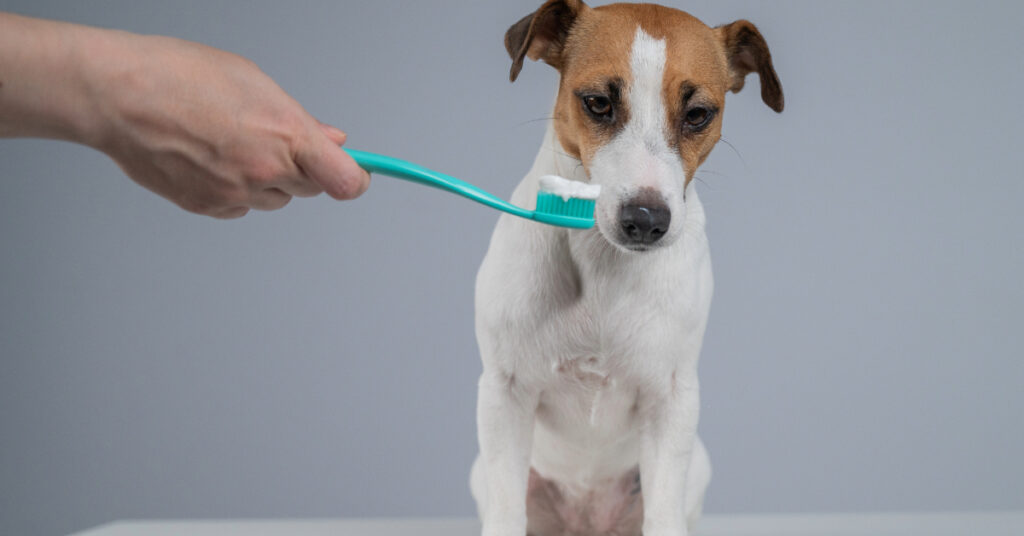
- Brush your dog’s teeth regularly using a pet-safe toothpaste. Daily brushing is ideal, but even a few times per week makes a difference
- Offer veterinarian-approved dental chews or toys that help reduce plaque mechanically
- Ask your veterinarian about water additives or oral rinses designed to reduce bacterial load in the mouth
- Schedule annual wellness exams that include an oral health assessment so dental disease is caught early
Note that human toothpaste is toxic to dogs and should never be used. Your veterinarian at Veazie Veterinary Clinic can recommend appropriate products for your dog.
What Bangor, ME Dog Owners Should Know About Dental Health
Maine’s long winters mean dogs often spend more time indoors, and indoor heating can reduce ambient humidity, which in turn reduces saliva production. Saliva plays an important role in rinsing the mouth and neutralizing oral bacteria. Dogs that aren’t drinking enough water during the colder months may be more prone to plaque buildup and bad breath. Encouraging adequate hydration year-round is one of the simplest things you can do for your dog’s dental and overall health.
Our veterinarians at Veazie Veterinary Clinic are committed to comprehensive oral health care for every patient. Whether your dog is due for a dental cleaning or you’ve noticed a concerning change in their breath, the team is ready to help.
Fresh Breath Starts With a Healthy Mouth
Bad breath in dogs is common, but it’s not something to accept as inevitable. In most cases, it points to a treatable condition and addressing that condition improves not just your dog’s breath, but their comfort, quality of life, and long-term health. If your dog’s breath is bothering you, it may be bothering them even more. Reach out to Veazie Veterinary Clinic in Bangor, ME at (207) 941-8840 and schedule the dental evaluation your dog deserves.