Dog panting is completely normal, until it isn’t. Dogs pant as a primary way of regulating body temperature, and after exercise or on a hot day, panting is exactly what you’d expect. But when a dog is panting heavily at rest, panting at night for no apparent reason, or panting in situations that don’t call for it, something may be going on that deserves closer attention. This blog will help you recognize the difference between normal dog panting and panting that signals a health problem.
Why Do Dogs Pant?
Dogs don’t sweat the way humans do. Instead of releasing heat through their skin, dogs cool themselves primarily by panting. When a dog pants, they move air rapidly over the moist surfaces of the tongue and respiratory tract, which allows heat and moisture to evaporate and the body temperature to drop.
Normal dog panting is triggered by heat, physical exertion, or excitement. A dog who just finished a run, is playing at the dog park, or is excited about a walk will pant freely and recover quickly once they’ve had a chance to rest and cool down. This type of panting is healthy and expected.
When Is Dog Panting a Problem?
Heavy panting in dogs becomes a concern when it occurs out of context: when the dog is at rest, in a cool environment, hasn’t been exercising, and doesn’t appear excited. Excessive dog panting can be a symptom of a wide range of medical conditions, and the pattern, timing, and accompanying symptoms all matter when your veterinarian is trying to identify the cause.
Common Medical Causes of Excessive Panting in Dogs
- Pain: Dogs in pain often pant as a stress response. The panting may be constant, present at rest, and accompanied by restlessness, changes in posture, or reluctance to move
- Cushing’s disease (hyperadrenocorticism): One of the hallmark signs of Cushing’s disease in dogs is excessive panting, particularly at night. It’s often paired with increased thirst, urination, and a pot-bellied appearance
- Heart disease: When the heart isn’t pumping efficiently, a dog may struggle to get enough oxygen and compensate by breathing faster and panting more
- Respiratory problems: Conditions like pneumonia, pleural effusion, or laryngeal paralysis can cause labored breathing and panting
- Anemia: A low red blood cell count means less oxygen delivery, which can trigger rapid, heavy breathing and panting
- Fever: Just as with humans, an elevated temperature can cause a dog to pant more than normal as the body tries to cool down
- Thyroid issues: Hypothyroidism can affect metabolism and sometimes presents with changes in breathing patterns
- Neurological conditions: Brain tumors, seizure disorders, and other neurological issues can cause abnormal panting
Why Is My Dog Panting at Night?
Nighttime panting in dogs is a common concern that brings many pet owners to Veazie Veterinary Clinic in Bangor, ME. When a dog pants heavily at night without an obvious cause, it often points to one of several possibilities: pain that becomes more noticeable when the dog is resting, Cushing’s disease, cognitive dysfunction syndrome in older dogs, or anxiety.
Cognitive Dysfunction and Nighttime Panting
Senior dogs can develop cognitive dysfunction syndrome, a condition similar to dementia in humans, that causes disorientation, restlessness, and disrupted sleep patterns. Nighttime panting, pacing, and vocalization are common signs. If your older dog has started panting at night and seems confused or disoriented, this is worth discussing with your veterinarian.
Is My Dog Panting Too Much? How to Tell
There’s no single panting rate that defines “too much,” but there are contextual clues to watch for. Ask yourself: Is my dog panting in a situation where panting doesn’t make sense? Is the panting more intense or prolonged than usual? Does the panting seem distressing to my dog? Are there other symptoms alongside the panting?
If the answer to any of those questions is yes, it’s a good reason to call your veterinarian. Our team at Veazie Veterinary Clinic welcomes these calls and can help you assess whether what you’re seeing warrants a same-day visit or can be monitored at home.
When to Take Your Dog to the Emergency Vet for Panting
Some scenarios involving excessive dog panting are genuine emergencies that require immediate care. Don’t wait for a regular appointment if your dog is showing any of these signs alongside heavy panting:
- Panting with a body temperature above 104°F (heat stroke)
- Blue, purple, or white gums (oxygen deprivation)
- Extreme weakness, collapse, or inability to stand
- Panting accompanied by a distended abdomen (possible bloat/GDV)
- Panting with sudden hind leg weakness
- Suspected toxin ingestion
- Difficulty breathing or choking sounds
Heatstroke can occur in Maine during humid summer months, particularly after vigorous outdoor exercise. A dog who has been out in the heat and is panting heavily while appearing weak, disoriented, or unsteady should be treated as a medical emergency.
Panting in Specific Dog Breeds
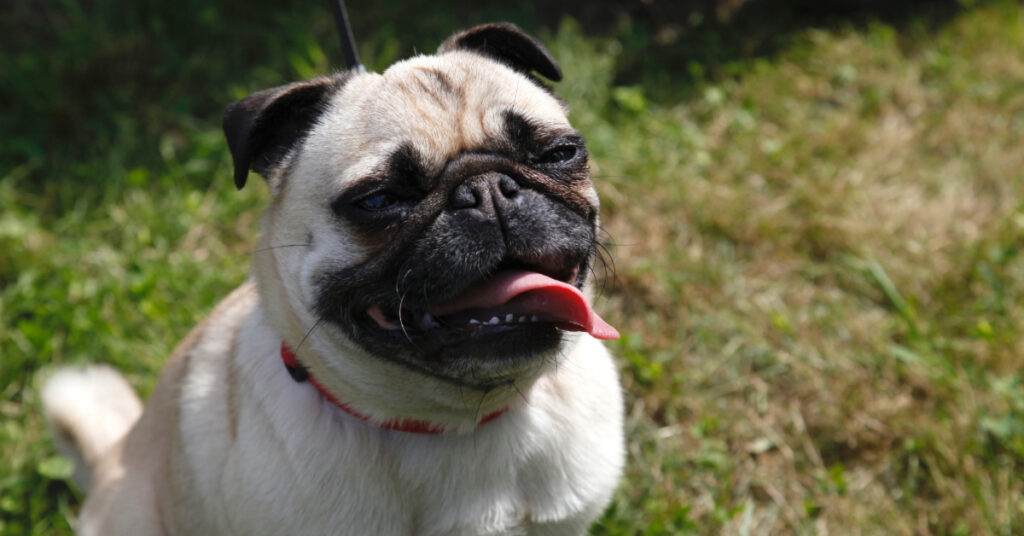
Some dogs pant more than others by nature. Brachycephalic breeds, or those with short, flat faces, like Bulldogs, Pugs, Boston Terriers, and French Bulldogs, are structurally predisposed to breathing difficulties and tend to pant more, even at rest. These dogs have narrowed airways and reduced ability to move air efficiently, which means they overheat more quickly and struggle more in warm weather.
If you own a brachycephalic dog and notice an increase in panting or labored breathing, it’s important to have them evaluated. What looks like normal panting for this type of dog can sometimes indicate that their airway needs medical attention. The veterinarians at Veazie Veterinary Clinic can assess brachycephalic dogs for airway concerns and discuss options for improving their comfort and breathing capacity.
Anxiety and Stress as Causes of Dog Panting
Anxiety is a significant and often underrecognized cause of excessive dog panting. Dogs experiencing fear, separation anxiety, or generalized stress may pant heavily even in cool, comfortable environments. Common triggers include thunderstorms, fireworks, car rides, veterinary visits, and changes in the home.
Stress-related panting is typically accompanied by other anxiety signals: pacing, trembling, yawning, lip licking, whining, or trying to hide. If your dog pants consistently in certain situations, a conversation with your veterinarian about anxiety management may be worthwhile. There are several safe, effective approaches available, and no dog should have to suffer through anxiety without support.
How Does a Vet Diagnose Why a Dog Is Panting Excessively?
When you bring a dog to Veazie Veterinary Clinic for excessive panting, the diagnostic process starts with a thorough physical exam and a detailed discussion of when and how the panting occurs. The more context you can provide such as when it started, how often it happens, whether it’s worse at certain times of day, and what other symptoms you’ve noticed, the more efficiently our veterinary team can narrow down the cause.
Depending on exam findings, diagnostics may include bloodwork to screen for Cushing’s disease, infection, anemia, or organ dysfunction; chest X-rays to evaluate the heart and lungs; blood pressure measurement; and abdominal imaging if internal disease is suspected. Once the cause is identified, treatment can begin and most causes of excessive panting are very manageable with the right care.
What Your Dog’s Panting Is Trying to Tell You
Dogs can’t tell you when something hurts or when they’re struggling to breathe comfortably. Excessive panting is often how their body communicates that something is wrong. Pay attention to when your dog pants, how intensely, and what else is going on. When the panting seems out of place or persistent, call Veazie Veterinary Clinic in Bangor, ME at (207) 941-8840. A prompt evaluation can make all the difference in getting your dog the relief and care they need.