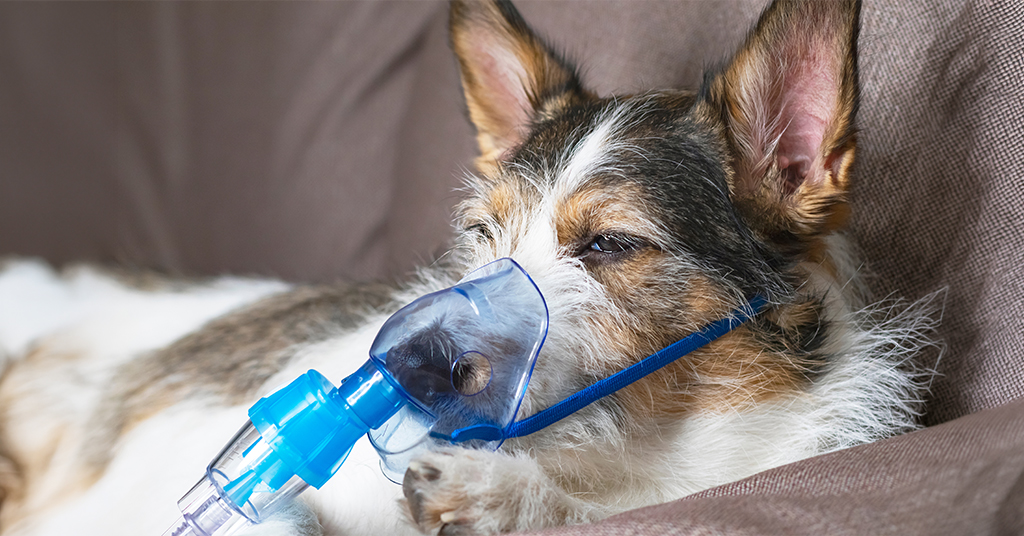
Dog respiratory issues are conditions that affect a dog’s nose, throat, windpipe, or lungs, and the most common signs include coughing, sneezing, nasal discharge, wheezing, and labored or noisy breathing. Some problems, like a mild case of kennel cough, clear up with veterinary care in a week or two, while others, such as pneumonia or heart-related fluid in the lungs, can become serious quickly. Because breathing is so essential, any lasting change in how your dog breathes deserves attention. Learning to tell a passing tickle from a real concern helps you get your pet the right care sooner. At Veazie Veterinary Clinic, we diagnose and treat dog respiratory issues for families throughout Veazie, Bangor, Orono, and the surrounding communities. This article explains how the respiratory tract works, which warning signs matter most, the illnesses veterinarians see most often, and practical ways to support your dog’s breathing health.
The Difference Between the Upper and Lower Respiratory Tract
Your dog’s respiratory system has two main regions, and knowing which one is affected helps veterinarians narrow down the cause of a problem.
The Upper Respiratory Tract
The upper tract includes the nose, nasal passages, sinuses, throat (pharynx), and voice box (larynx). These structures warm, moisten, and filter air before it travels deeper into the body. Problems here often show up as sneezing, nasal discharge, reverse sneezing, snoring, or a change in bark. Allergies, foreign objects like grass awns, nasal mites, dental infections that extend into the sinuses, and laryngeal paralysis in older large-breed dogs are all examples of upper airway concerns.
The Lower Respiratory Tract
The lower tract includes the trachea (windpipe), bronchi, bronchioles, and lungs. This is where oxygen passes into the bloodstream and carbon dioxide leaves the body. Dog respiratory issues in this region tend to cause coughing, wheezing, rapid breathing, and exercise intolerance. Because the lungs handle oxygen exchange directly, lower tract conditions such as pneumonia or fluid accumulation can affect the whole body more quickly than many upper tract problems.
Why Location Matters
Many conditions overlap both regions, and an infection that starts in the nose can travel downward. A veterinary exam, including listening carefully to the chest and airways, helps pinpoint where the trouble lies and which diagnostic tests make the most sense. Upper tract dog respiratory issues are often noisy but mild, while lower tract problems may be quieter yet more serious, so the sound of a cough alone is not a reliable guide to severity.
Warning Signs of Breathing Trouble in Dogs
Dogs can’t tell us when their chest feels tight, so their breathing patterns and behavior provide the most important clues.
A healthy resting dog typically takes about 15 to 30 breaths per minute, with quiet, effortless movement of the chest. Changes from this baseline can signal dog respiratory issues. Common signs include:
- Persistent or honking cough, especially one that worsens with activity or at night
- Wheezing, whistling, or crackling sounds when breathing
- Sneezing fits or reverse sneezing that happens often
- Clear, cloudy, yellow, green, or bloody nasal discharge
- Rapid breathing while resting or sleeping
- Tiring easily on walks or refusing to play
- Gagging or retching after coughing
- Fever, poor appetite, or lethargy alongside breathing changes
Signs That Mean It’s an Emergency
Some breathing changes need immediate veterinary care. Seek help right away if your dog is struggling to breathe, breathing with the mouth open while at rest, standing with elbows spread and neck extended, or showing blue, gray, or pale gums. Collapse or sudden distress after possible choking is also an emergency. During business hours, call Veazie Veterinary Clinic at (207) 941-8840. After hours, go directly to the nearest emergency animal hospital.
Common Dog Respiratory Illnesses and Infections
A wide range of infections and structural conditions can cause dog respiratory issues, and several appear frequently in general practice.
Infectious Causes
Canine infectious respiratory disease complex (kennel cough) involves a mix of bacteria and viruses, including Bordetella bronchiseptica and canine parainfluenza. It spreads easily where dogs gather, such as boarding facilities, daycares, and dog parks, and typically causes a harsh, honking cough. Canine influenza causes coughing, nasal discharge, and fever, and can occasionally progress to pneumonia. Pneumonia can develop from bacterial infections, viral illness, or inhaled food or vomit, and often makes dogs noticeably sick, with fever and labored breathing. Fungal infections picked up from soil are less common in New England but still possible.
Non-Infectious Causes
Not every cough comes from a germ, and many dog respiratory issues stem from the dog’s anatomy or other organ systems. Other common culprits include:
- Collapsing trachea: Common in small breeds like Yorkshire Terriers and Pomeranians, it causes a goose-honk cough.
- Brachycephalic airway syndrome: Flat-faced breeds such as Bulldogs and Pugs have narrowed airways that make breathing harder.
- Chronic bronchitis: Ongoing airway inflammation leads to a persistent daily cough.
- Heart disease: An enlarged heart or fluid in the lungs can mimic a respiratory problem.
- Heartworm disease: Spread by mosquitoes, it damages the lungs and blood vessels.
- Lung tumors: Primary or spreading cancers can cause coughing, especially in older dogs.
Because so many dog respiratory issues look alike from the outside, veterinarians often rely on chest X-rays, bloodwork, respiratory infection testing, and sometimes airway sampling to reach an accurate diagnosis.
Help Manage Your Dog’s Respiratory Health
While treatment for dog respiratory issues should always come from your veterinarian, everyday choices at home can support healthy airways and lower your dog’s risk.
Preventive Care
Vaccines play a major role in reducing contagious respiratory disease. Your veterinarian can recommend which ones fit your dog’s lifestyle, including core protection against distemper and adenovirus and lifestyle vaccines for Bordetella, parainfluenza, and canine influenza. Dogs that board, attend daycare, or visit groomers often benefit most. Year-round heartworm prevention protects the lungs and heart from a serious parasite. Routine wellness exams also matter, since your veterinarian may hear subtle airway or heart changes during a checkup long before you notice symptoms at home.
Everyday Habits That Support Healthy Breathing
- Use a harness instead of a collar for dogs prone to coughing or tracheal problems
- Keep your dog at a healthy weight, since extra pounds make breathing harder
- Avoid smoking around pets and limit exposure to aerosol sprays, dust, and strong fumes
- Limit strenuous exercise on hot, humid days, especially for flat-faced breeds
- Keep sick dogs away from other dogs until your veterinarian says it’s safe
Follow-Up for Chronic Conditions
Dogs with ongoing dog respiratory issues, such as chronic bronchitis or a collapsing trachea, need regular rechecks so your veterinarian can monitor progress and adjust the care plan. Keeping a simple log of coughing episodes, resting breathing rates, and triggers can give the team helpful information at each visit.
Seasonal Factors in Maine
Local conditions can influence dog respiratory issues throughout the year. Spring and summer pollen may aggravate allergic airway inflammation, while cold, dry winter air and indoor wood stoves can irritate sensitive airways. Mosquito season raises heartworm risk, and busy holiday boarding periods increase exposure to contagious coughs. Talking with your veterinarian about how the seasons affect your dog lets you plan vaccines, boarding, and activity with your pet’s breathing in mind.
Breathing Easier With Help From Your Veazie Veterinary Team
A cough or sneeze now and then is usually nothing to worry about, but frequent, worsening, or noisy breathing is your dog’s way of saying something has changed. Recognizing the early signs of dog respiratory issues, knowing which symptoms call for urgent care, and staying on top of preventive measures all help your dog breathe comfortably for years to come. Many respiratory conditions respond well to treatment when they are caught early, and chronic issues can often be managed so dogs continue to enjoy walks, play, and family life.
Veazie Veterinary Clinic offers in-house radiology, laboratory testing, and cardiology services to help identify the source of coughing, wheezing, or labored breathing. If you’ve noticed any changes in how your dog breathes, call our team at (207) 941-8840 to schedule an exam, and let us help your dog get back to breathing easy.