
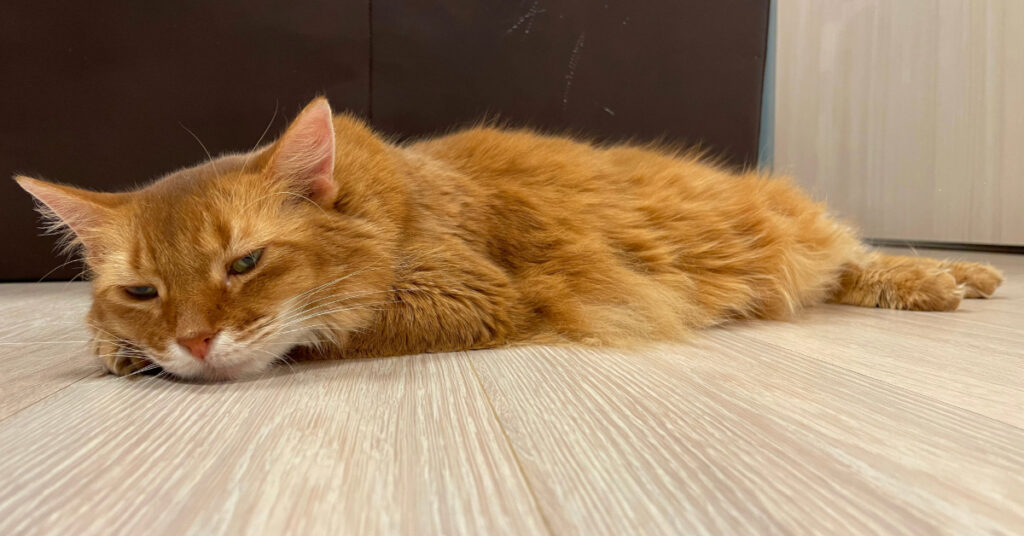
Cat lethargy, or when your normally curious, active cat suddenly seems tired, withdrawn, or uninterested in the things they usually love, can be one of the most unsettling things a pet owner notices. A lethargic cat may be experiencing anything from a minor illness to a serious medical emergency, and knowing the difference could save their life. If your cat seems unusually tired or low-energy, it’s worth paying close attention, because cats are masters at hiding how they feel.
What Does Cat Lethargy Actually Look Like?
Not every sleepy cat is a lethargic cat. Cats naturally sleep 12 to 16 hours a day, so distinguishing normal rest from problematic fatigue requires knowing your individual pet’s baseline. Cat lethargy goes beyond ordinary napping. A lethargic cat typically shows a combination of behavioral and physical changes that signal something is off.
Common Signs of Lethargy in Cats
- Sleeping significantly more than usual, even for a cat
- Reluctance to move, jump, or engage in play
- Loss of interest in food or water
- Hiding or avoiding contact with family members
- Slow or labored movement
- Dull, unfocused eyes or a glazed expression
- Failure to groom, or a coat that looks unkempt
If your cat is showing several of these signs at once, especially alongside other symptoms, their fatigue is likely more than just a lazy afternoon. Trust your instincts as a pet owner. You know your cat better than anyone.
Why Is My Cat So Tired? Common Causes of Cat Lethargy
Cat lethargy is a symptom, not a diagnosis. It can be caused by a wide range of conditions, from minor to life-threatening. Some causes are more common than others, and age, breed, and health history all play a role.
Illness and Infection
Bacterial infections, viral illness, and upper respiratory infections are frequent culprits behind a cat acting lethargic. Cats with infections often show reduced energy alongside symptoms like sneezing, nasal discharge, or a fever. Even a tooth abscess or urinary tract infection can leave your cat feeling wiped out.
Chronic Disease
Conditions like kidney disease, hyperthyroidism, diabetes, heart disease, and anemia are common in cats, particularly older ones, and all can cause persistent lethargy. If your senior cat seems tired all the time, a wellness exam with bloodwork can be eye-opening. Our team at Veazie Veterinary Clinic in Bangor, ME regularly screens cats for these conditions during routine checkups.
Pain or Injury
Cats in pain become quiet and withdrawn. Whether it’s arthritis, an internal injury, or a wound that isn’t visible to the naked eye, pain is a major driver of cat lethargy. A cat who stops jumping onto their favorite perch may not be lazy, they may be hurting.
Toxin Exposure
Cats are sensitive to many household substances. If your cat has chewed on a toxic plant, ingested a cleaning product, or been exposed to certain medications, extreme lethargy can be an early sign of poisoning. This is always a veterinary emergency.
Stress and Anxiety
Changes in the home environment such as a new pet, a move, a change in schedule can cause some cats to become withdrawn and appear lethargic. While this is less medically urgent, prolonged stress-related lethargy still deserves attention.
When Is a Lethargic Cat an Emergency?
This is the question most pet owners are really asking: when does a tired cat become a true emergency? The honest answer is that any time your cat’s lethargy is sudden, severe, or accompanied by other concerning symptoms, you should seek veterinary care right away.
Rush to the Vet Immediately If Your Cat Shows:
- Difficulty breathing or open-mouth breathing
- Pale, white, blue, or yellow gums
- Inability to stand or severe weakness
- Suspected toxin ingestion
- Collapse or loss of consciousness
- Seizures
- Sudden hind leg weakness or paralysis (a sign of aortic thromboembolism)
- Vomiting or diarrhea combined with extreme fatigue
- No urination for more than 24 hours (especially in male cats)
Urinary blockage in male cats is a life-threatening emergency. A blocked cat who is also lethargic and straining to urinate requires immediate veterinary intervention, don’t wait to see if it resolves on its own.
How Long Can a Cat Be Lethargic Before It Becomes a Problem?
A cat who seems a little quieter for a day after a stressful event or a vaccine appointment may simply need time to recover. But if your cat has been lethargic for more than 24 to 48 hours without a clear, benign explanation, it’s time to call your veterinarian.
Cat lethargy lasting longer than two days, even without dramatic symptoms, warrants a professional evaluation. Many underlying illnesses, including early kidney disease or hyperthyroidism, don’t produce obvious symptoms in the early stages. A physical exam and diagnostics can catch problems before they escalate.
What Will the Vet Do for a Lethargic Cat?
When you bring a lethargic cat to Veazie Veterinary Clinic, our veterinary team will start with a thorough physical examination. We’ll assess your cat’s temperature, heart rate, respiratory rate, mucous membranes, lymph nodes, and overall body condition.
Depending on what the exam reveals, diagnostics may include:
- Blood work: A complete blood count (CBC) and chemistry panel can identify infections, anemia, kidney or liver disease, diabetes, and more
- Urinalysis: Evaluates kidney function and can detect urinary tract infections
- X-rays or ultrasound: Helps visualize internal organs and identify masses, fluid, or structural abnormalities
- Thyroid testing: Particularly important for middle-aged and senior cats
The goal is always to find the root cause of the cat lethargy rather than simply treating the symptom. Once a diagnosis is made, our team will walk you through a treatment plan tailored to your cat’s needs.
Cat Lethargy in Kittens vs. Senior Cats
Age matters when it comes to cat lethargy. Kittens are naturally energetic and playful, so a kitten that seems tired or weak is almost always cause for concern, they have very little reserve and can decline quickly. If a young kitten is lethargic, don’t wait. Contact your veterinarian at Veazie Veterinary Clinic the same day.
Senior cats, on the other hand, do slow down naturally with age. But there’s a difference between a 14-year-old cat who naps more and a 14-year-old cat who has stopped eating, seems disoriented, or can no longer groom properly. Older cats are more susceptible to chronic illnesses that cause fatigue, and regular wellness exams become even more important as cats age.
What Pet Owners in Bangor, ME Should Know About Cat Health
Maine’s cold winters and seasonal changes can affect indoor cats more than owners realize. Reduced daylight and lower activity levels during the colder months can make it harder to distinguish normal winter sluggishness from true cat lethargy. If your cat seems unusually tired during the winter months or following a seasonal transition, it’s worth checking in with your veterinarian rather than chalking it up to the weather.
If you’re in the Bangor area and your cat seems off, our team at Veazie Veterinary Clinic is here to help. From routine wellness care to urgent concerns, our veterinarians at Veazie Veterinary Clinic provide compassionate, thorough care for cats at every life stage.
Your Cat Deserves Answers
A lethargic cat is always worth taking seriously. Whether the cause turns out to be minor or significant, getting a professional evaluation gives you peace of mind and gives your cat the best chance at a fast recovery. Don’t second-guess yourself if something feels wrong. When in doubt, call Veazie Veterinary Clinic in Bangor, ME at (207) 941-8840 and let our team help you figure out what’s going on. You know your cat. Trust that instinct.