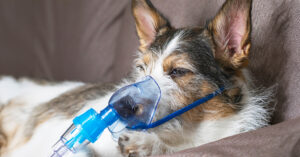

Dog lethargy is a state of unusual drowsiness, sluggishness, or lack of interest in normal activities, and it is often a sign that something is affecting your dog’s health. Common causes range from infections and pain to heart disease, hormone imbalances, and toxin exposure. If your normally playful companion suddenly seems content to sleep the day away, that change is worth paying attention to. A single lazy afternoon after a long hike usually isn’t a concern, but low energy that lingers or appears alongside other changes deserves a closer look. At Veazie Veterinary Clinic, we see many dogs whose owners first noticed a problem simply because their pet “didn’t seem like themselves.” This guide walks through what dog lethargy looks like, the most common reasons behind it, the warning signs that call for urgent care, and how your veterinary team finds the cause and helps your dog feel better.
What Is Dog Lethargy?
Dog lethargy describes a noticeable drop in energy, alertness, or responsiveness compared to what is normal for your individual dog.
Every dog has its own baseline. A senior Basset Hound naturally spends more time napping than a young Border Collie, so the key question is whether your dog’s behavior has changed. A lethargic dog may still get up when called, but they move slowly, show little enthusiasm, and lose interest in things they usually love, like walks, toys, or greeting you at the door.
Lethargy vs. Normal Tiredness
It helps to separate true lethargy from ordinary fatigue. A dog that is tired after exercise, a busy day of visitors, or a trip to the groomer typically bounces back after a good rest. Lethargy, on the other hand, tends to persist beyond a day or shows up without an obvious reason. It can also come on suddenly, which often points to an acute problem, or develop gradually over weeks, which may suggest a chronic condition.
Why It Matters
Dogs are skilled at hiding discomfort, so a change in energy is sometimes the earliest clue you’ll get. Dog lethargy itself is not a diagnosis. Instead, it is a symptom that tells you and your veterinarian that the body is dealing with something, whether that is a mild virus or a more serious internal issue. Paying attention to timing, duration, and any accompanying changes gives your veterinary team valuable information when it is time for an exam.
What Causes Lethargy in Dogs?
Many different health problems can drain a dog’s energy, and some are far more urgent than others. Here are eight of the most common underlying causes our team evaluates.
- Infections: Bacterial and viral infections, including parvovirus, kennel cough complications, and tick-borne illnesses like Lyme disease and anaplasmosis, frequently cause fever and fatigue. Ticks are common across Maine, so these diseases are a real consideration for local dogs.
- Pain or injury: Arthritis, a pulled muscle, back problems, or dental pain can make a dog reluctant to move and less engaged.
- Toxin exposure: Ingesting items like certain medications, xylitol, rodenticides, antifreeze, or toxic plants can cause sudden weakness.
- Heart disease: When the heart can’t pump efficiently, dogs tire easily and may struggle with exercise.
- Endocrine disorders: Hypothyroidism, diabetes, and Addison’s disease all affect metabolism and energy levels.
- Anemia: A low red blood cell count reduces oxygen delivery to tissues, leaving dogs weak and pale.
- Organ disease: Kidney and liver problems allow waste products to build up in the bloodstream, which often causes fatigue and appetite changes.
- Cancer: Some tumors, particularly those that bleed internally or spread, can cause gradual or sudden lethargy.
Other Contributing Factors
Not every case of dog lethargy stems from disease. New medications, recent vaccinations, hot or humid weather, stress from a move, and even boredom or depression can lower a dog’s activity level. Because so many possibilities overlap, only a veterinary exam can reliably sort out which cause applies to your dog.
Symptoms of Lethargy in Dogs
Lethargy often shows up in subtle ways before it becomes obvious, so knowing what to watch for helps you catch problems early.
The most recognizable sign is a dog that sleeps more than usual and seems slow to respond when you call their name. You might also notice that your dog lags behind on walks, skips their favorite games, or stays in bed when the leash comes out. Some dogs become withdrawn and choose to hide, while others seem restless but low on stamina. Dog lethargy can look different from one pet to the next, so trust your instincts when your dog’s routine suddenly changes.
Changes That Often Appear Alongside Lethargy
Dog lethargy rarely shows up completely on its own. Veterinarians look for related clues that help narrow down the cause, such as:
- Decreased appetite or refusal to eat treats
- Vomiting or diarrhea
- Increased thirst or urination
- Coughing, rapid breathing, or exercise intolerance
- Limping, stiffness, or reluctance to climb stairs
- Pale, yellowish, or bluish gums
- Weight loss or a swollen belly
Tracking What You See
Before your appointment, jot down when you first noticed the change, whether it is getting better or worse, and any shifts in eating, drinking, or bathroom habits. Note any recent travel, new foods, or possible access to garbage or household products. These details give your veterinarian a clearer picture and can speed up the diagnostic process considerably.
When Is Dog Lethargy an Emergency?
Some cases of dog lethargy can wait for a scheduled appointment, but others require immediate veterinary attention.
Sudden, severe dog lethargy is more concerning than mild sluggishness that develops over time. If your dog seems weak, unsteady, or barely responsive, treat the situation as urgent. The same goes for any dog that has low energy alongside signs of significant distress.
Red Flags That Need Immediate Care
Contact a veterinarian right away if your lethargic dog shows any of the following:
- Collapse, fainting, or inability to stand
- Difficulty breathing or labored, noisy breaths
- Pale, white, gray, or blue gums
- A swollen, hard abdomen or unproductive retching
- Seizures or sudden confusion
- Known or suspected ingestion of a toxin
- Repeated vomiting or bloody diarrhea
- Recent trauma, such as being hit by a car or falling
When to Schedule a Prompt Visit
If your dog is eating and drinking but simply seems “off” for more than 24 hours, it is time to book an exam. Puppies, senior dogs, and dogs with existing health conditions have less reserve, so it is wise to call sooner for these pets. During business hours, you can reach Veazie Veterinary Clinic at (207) 941-8840 for guidance on how quickly your dog should be seen. After hours, please contact the nearest emergency animal hospital without delay.
Treatment for a Lethargic Dog
Effective treatment for dog lethargy depends entirely on identifying and addressing the underlying cause.
Because low energy is a symptom rather than a disease, your veterinarian’s first goal is to find out why your dog feels unwell. Treating the root problem is what ultimately restores your dog’s energy, and guessing at home can delay care for conditions that progress quickly.
How Veterinarians Find the Cause
The process usually starts with a thorough history and a nose-to-tail physical exam, including temperature, heart and lung assessment, abdominal palpation, and a look at the gums and joints. From there, your veterinarian may recommend diagnostic testing such as:
- Bloodwork to evaluate organ function, blood cell counts, and blood sugar
- Urinalysis to check kidney health and screen for infection or diabetes
- Tick-borne disease screening
- X-rays or ultrasound to examine the heart, lungs, and abdominal organs
- Thyroid and other hormone testing
What Treatment May Involve
Once the cause is clear, your veterinary team creates a plan tailored to your dog. Depending on the diagnosis, that might include prescription medication, fluid therapy, pain management, a change in diet, hospitalization for monitoring, or referral to a specialist. Many dogs begin to perk up once the underlying issue is under control. Follow-up visits allow your veterinarian to track progress and adjust care as needed, so be sure to share any new changes you notice at home.
Getting Your Dog Back to Their Energetic Self in Veazie
Your dog can’t tell you when something is wrong, but a sudden dip in energy is often their way of showing it. Recognizing dog lethargy early, noting what else has changed, and knowing which signs call for urgent care all give your pet the best chance at a quick recovery. Whether the cause turns out to be a minor infection or a condition that needs long-term management, an accurate diagnosis is the most important first step.
The team at Veazie Veterinary Clinic serves dogs and their families throughout Veazie, Bangor, Orono, and the surrounding communities. If your dog has been sleeping more, eating less, or simply acting out of character, we are here to help you find answers. Call us at (207) 941-8840 to schedule an exam, and let our experienced veterinarians help your best friend feel like themselves again.